Author Archives: Maurice

  1. Educating Managers About Wine is Not Done in a Classroom

    Leave a Comment

    Educating Managers

    The past 8 months I have blogged less and worked more.   My new job has taken me away from the floor and working behind the scenes setting up beverage programs, writing cocktail and wine lists, training staffs and running special events.   No longer am I coming home, still buzzing from the night’s craziness and needing to release creative energy.  Now I get home exhausted from the day.  I am always trying to be creative at work by trying to find the next thing, do the best event or educate staffs of all levels.  Let me focus on the latter.  I remember some of my first posts were about the challenges I met in educating servers.  I feel that now that I am not with them on the floor on a regular basis, educating has become easier because I only see them when I give a class.  My concern is, are they really taking what they learn and using it on the floor, or is it going in one ear and out the other?

    I guess I cannot really answer that question without physically working side by side with them.  I can send in secret shoppers, but I think that stinks.  I found a better way.  I now focus on educating managers.  If I can get the managers to have a passion for beer, wine and spirits this will transcend to the servers.  I started holding wine classes for managers that want to learn more about wine but do not feel comfortable learning along side their employees.  This allows them to ask all the questions they want without feeling like they might sound dumb.  However, managers work a lot.  It is hard for them to get away and take part in wine classes.  But since they work so much, a paid vacation to wine country is exactly what they need.

    This past Monday and Tuesday I took 8 of my managers to Sonoma to visit Landmark Winery, Lancaster, Chalk Hill and Russian River Brewing company.  As you could imagine, they had a great time.  For many it was the first time in a vineyard.  They got to walk through cellars and wine making facilities, taste from barrels and enjoy a blending seminar.  We squeezed so much into those two days and we still managed to tie one on somewhere in between.

    We started at Landmark vineyards where they learned about organic farming from winemaker Greg Stach.  He took us through a tour of the wine making facility and the barrel room.   Once the tour ended, we played Bocci ball as we waited for the blending seminar to start.   At the seminar we were to blend 4 different vineyards sites to see how close we can come to make a wine that was similar to the Overlook Pinot Noir.  One of our managers decided to take a short cut and used the Overlook as they main part of  her blend.  Not fair!

    We later went to dinner to a local whiskey bar, Jack and Tony’s.  Dinner was great and the whiskey even better.  After dinner we strolled over to Russian River Brewing Company, one of America’s best breweries.  There I find Chuck with 5 beers in front of him, and they are all Belgians and Sours.  A true wine guy goes for Belgian’s and Sours…but 5 at once, that is crazy.  I also learned that our well-mannered management team has “hoo-hoo-hooters” among them.  I was pretty embarrassed to hear them as they walked into the bar hooting; but hey, we they were just having fun.

    The next morning we got up bright and early and headed back into our limo bus to visit Lancaster.  The windy roads put some of the team to the test.  We immediately found out who had drunk past their limit the night before.  Luckily we made it to Lancaster.  The property was beautiful.  The winery is built into the mountainside and the vineyards were very well-managed.  We all actually really enjoyed the wines, that says a lot especially when everyone was pretty hung over.  The best remedy is more wine.  Most of the team enjoyed the Roth Heritage red blend.  I liked the Lancaster ’08, rounded and delicious.

    We then headed back through the Russian River to Chalk Hill, an equally beautiful property.  I wish I was not married, I would have liked to have a re-do and have my wedding there.  I guess it’s better this way, I really don’t have $100,000 to spend.  We were greeted by Erica, our private Sommelier.  She tasted us on the Sebastani wines and served us a three course lunch.  The Chef, Didier, prepared a delicious meal.  The lamb was out of this world and each course was paired perfectly by Erica.  During our meal we got to talking about wine and restaurant stories.  I think this is the best wine education I can give the managers.  We shared stories and discussed our concerns.  We laughed, tasted wines and by the end of lunch everyone learned something new.  Educating managers is not always giving a seminar and tasting flights of wine, but just sitting and talking.  I know that when I taste on Mondays with other San Diego Sommeliers, the best part is before we taste, we discuss our week and things going on in our restaurants.

    Being able to bring the managers to Sonoma  was a good way for them to learn more about wine.  The tours, the tastings and the winemaker’s presentation was beneficial.  However, getting them out of the restaurant and with their peers was even more educational.  Everyone learned from each other.  I hope that they take this knowledge and infect their staffs with it.  Make it so contagious that they want to learn more about their profession.  I had an amazing time with my team and I hope to do it again very soon.

  2. A Busy Weekend for Prime Cru

    Leave a Comment

    prime cru yacht

    This past weekend was a busy weekend for Prime Cru wine club members.  On Saturday we had an amazing wine sale.  The room was crowded with eager wine lovers looking for that great deal.  There were a lot of gems hidden in the bunch.  For example, Sea Smoke sold out within the 1st two minutes of opening the door.  Round Pond Cabernet from Rutherford sold out quickly at a ridiculously low price of $15/bottle.  The keen old world wine buyers found a great deal on Il Poggione Brunello di Montalcino for $30/bottle.   Whites were also a hit at the sale.  It looks like the sunny weather gets everyone buying white wine.   One gentleman made out by walking out with Nicolas Joly Clos de Serrant  Savenniers for $30/bottle and Patrick Piuze Chablis for $22/bottle.  Roses went fast.  This makes me happy!  I love rose and it is cool to see more and more people understanding these great summer wines.

    If the wine sale was not enough for our Prime Cru wine club members, we spoiled them on Sunday with a ride aboard the El Dorado, Ferrari Carano’s yacht.  I took them out on the Bay with our host. Mike Hurst who manages the sales of Ferrari Carano in Southern California.  Mike does a great job at hosting us.  His crew serves the Ferrari Carano line up along with delicious appetizers.  The stand out wine of the day in my opinion was the Anderson Valley Pinot Noir.  It was light with tart berry aromas and flavors with lingering acidity.

    Our club is growing quickly.  We recently spread Prime Cru to North County at Vintana Restaurant and 333 Pacific.  We had guests from these restaurants aboard with us.  Everyone had an amazing experience.  I love doing this trip because it is the best way to say thank you to our patrons whom have supported us for so many years.  If you are interested in joining Prime Cru and taking part in some of our special events sign up today.  Below are some pics from our trip around the bay.


  3. Where do you buy wine?

    3 Comments

    prime cru

    Where do you buy wine?  This  is a question I always get.  And it is a hard one to answer.  People want me to name my favorite wine shop in San Diego, unfortunately I don’t have one.   I am in a very lucky position.  I co-ordinate the wine lists for a group of restaurants. Some of these restaurants have “off sale permits” which allows them to sell wine to go.  What makes these restaurants different from wine shops is that the “off sale” is not the means to make a profit.  Selling wine at retail is just an extra perk for our guests.

    How many times have you been at a restaurant and have enjoyed a bottle of wine over dinner.  You have decided to skip dessert and instead of going to a bar, you want to head back to your hotel or home.  However, you are not quite ready to call an end to the night.  You have room for another glass of wine.  Here is where we come in.  We can offer you that same bottle out the door.  The best part is that you have already tasted it and you know what to expect.  Okay maybe that is not the best part.  The best part is that since we are not in the business of selling wine at retail, but in the “hospitality” business, our main goal is to give guests the greatest experience. Sending our guests home with that bottle at a price where we barely scratch a profit, confirms that the guest will keep us in mind for another visit.

    There are not a lot of restaurants which have this special licence.  I am lucky that the Cohn Restaurant Group has 5 restaurants with this license, Island Prime, 333 Pacific, Vintana, Prado and Bo Beau Ocean Beach.  That is 5 locations throughout San Diego County where you can buy wine from the restaurant.   Back in 2008 I started hosting Wine Sales at Island Prime.  I clear out the dining room and load the tables with wines.  One can expect to find over 100 selections.  The wines range from Chardonnay to Tocai-Fruliano from Slovenia, California Pinot Noir to Lebanese red blends, from Champagne to Port wines.  It really is an impressive sight.  These wine sales have gotten quite the buzz.  The wine Club, Prime Cru, has gained many followers.  The prices are ridiculous!  Today we had a wine sale and I know that many of our guests received some amazing bargains.  Wines that might normally retail at $45  sold at $25.  The choices were huge, the line of people was long and the value to quality ratio was like no other.

    So when people ask, “where do you buy your wine and what is your favorite wine shop?”   I simply say, “Island Prime, 333 Pacific, Vintana, Prado and Bo Beau Ocean Beach.  I get to taste the wine and then decide if I want to buy a case!  Today we had another amazing wine sale.  There was a line of people outside the restaurant at 11:00 am waiting for us to open at 11:30 am  to get in to buy Sea Smoke.  Just so you know, there are not a lot of restaurants with a line at the door on a Saturday morning waiting to get in.   What makes these sales so successful goes back to what I said before, “we are in the hospitality business”.  The guests who got there in line at 11:00 were the first through the door. They bought their Sea Smoke and then sat down for lunch.  The kicker is this…remember. “we are in the hospitality business”.  They got to enjoy their Sea Smoke at the table, corkage-free.  Even better, they paid way below standard retail for the bottle.

    I host these wine sales at two locations, Island Prime and Vintana.  I alternate the sales through out the year.  So when I need wine, I simply go to my restaurants and buy wine there.   These are the best wine shops in San Diego!  One can sit at the bar, sample the by the glass list and walk out with a bottle of what they were looking for.  If you are ever dining at Island Prime, 333 Pacific, Vintana, Prado and Bo Beau Ocean Beach, ask your server for a bottle to go.  When you ask me, “where do you buy wine?”   Don’t be surprised if I give a you a restaurant name and not a traditional wine shop.


  4. A Brief History About Wine in San Diego

    Leave a Comment
    wine-in-san-diego

    A view from newly planted mountain vineyards in San Diego

    Thank you to the fabulous wine makers that attend the first San Diego County wine forum for Prime Cru.  Chris Broomell of Vesper Vineyards, Jeff Bowman of the screaming Chief, Mick Dragoo of Belle Marie and Justin Mund from Orfila Vineyards contributed their insights into the history of wine in San Diego and its future.  These brave men were bombarded with questions from yours truly, and not one of them caved. All men were confident to answer questions that might have put other wine makers in compromising situations. Not one of them plead the 5th.

    Prime Cru hosted two events, one on Saturday afternoon at Island Prime restaurant and last night at Vintana Wine & Dine which sold out to about 100 interested San Diegans. Mostly everyone was surprised to hear about the rich wine history of our little beach city. Many people know that the Wine Spectator started on the streets of OB, but most never knew that San Diego was producing wine well before Sonoma and Napa. So what happened? Why did we get left behind? Is our climate not conducive to growing grapes for wine? Did we have a lack of talented wine makers? I addressed a lot of these questions during the forum, however I think I should touch on a few now that the video does not.

    First of all, our climate is perfect for grape growing. The thing is that we have to grow the right grapes. The biggest misconception is that Temecula and San Diego are one in the same, and that is not the case. San Diego has more varying climate, soil and altitude than Temecula.  It is 10 degrees cooler. So no, we are not one in the same. The reason that San Diego got left behind is a complex answer.  I will try to explain it as simple as possible.  First of all, San Diego County is so spread out.  Temecula, Sonoma, Napa all have wine trails where the wineries are lined up along a road.  In San Diego we have wineries in Ramona, Escondido, Jamul and Julian.  We are talking about areas that are 40-50 miles apart from each other.

    Secondly, wine in San Diego was a thriving business prior to prohibition.  However, we did not have a gold rush which dumped money into our industry.  Our wineries sold in bulk to retailers downtown who would bottle the wines for patrons.  The majority of their business was selling barrels to the public.  Those wineries that lasted through prohibition had a hard time succeeding afterwards because there were laws passed which did not allow the selling of bulk wine to consumers.  Wines had to be bottled, something our wineries did not have the infrastructure to do.  Also, during prohibition we lost serious wine drinkers.  The age of coca cola and cocktails created a wine drinker looking for sweet sugary wines.  Wine makers did not have a public that was looking for dry serious wines.

    As history wrote itself, San Diego got left behind.  I believe that we have promise here.  All it takes is more investment in vineyards, wine makers that want to make clean wines and a public that is willing to try something new. For those that could not attend and did not read my earlier post, I made a video which briefly gives you an insight into wine in San Diego.  If you would like to attend one of the seminars in the future, sign up for Prime Cru and be the first to receive an invite. Cheers!

  5. America’s Finest City’s Wine History

    7 Comments
    San Diego Old Town

    San Diego: courtesy of http://www.sandiegohistory.org

    Most people believe the wine history of California started in Sonoma and Napa.  When people think of San Diego, fine wine is not even a thought.  San Diego is a tourist destination known for its warm weather, beautiful beaches, Sea World, the world-famous Zoo and Old Town.  More recently, San Diego has made a name for itself  as a beer town. We have over 89 breweries with a gross revenue of $500,000,000.  More and more restaurants are opening and we are starting to get an influx of nationally recognized chefs such as Mario Batali, Bradley Ogden and Richard Blaise to name a few.  But what about San Diego wine?  We have many wineries here and if we throw Temecula into the mix, the Southcoast AVA is growing very rapidly.  I wanted to explore San Diego wine a bit more in-depth so I decide to reach out to some of the local wine makers.  This coming week I am hosting a wine summit featuring 4 wine makers from San Diego.  During the summit I will host Mick Dragoo of Belle Marie, Jeff Bowman of Screaming Chief, Chris Broomell of Vesper Vineyards and Justin Mund from Orfila.  We will learn more about San Diego has an up and coming region and taste 10 of their wines.  For more info and to buy tickets visit my earlier post.

    I visited with these wine makers over the past several weeks.  I tasted their wines, toured their cellars and visited some of their vineyards planted in San Diego County.  During these visits I got to talking to them and I realized that San Diego’s fine wine history is rich and long.  While visiting with Mick Dragoo, who has made wine since the 70’s he mentioned that San Diego was producing wine well before Sonoma.  He said that Jarvis Winery in Napa has an old barrel from 1850’s which once held San Diego wine.  This peaked my interest even more.

    I then paid a visit to Chris Broomell and his wife Alysha at Vesper Vineyards.  We got to talking about San Diego fine wine history and Alysha pulled out a paper written by Richard Carrico a professor at SDSU.  Alysha said it was his master thesis.  The paper took a close look at the fine wine history of San Diego.  It really blew my mind.  I am a sommelier, a native of San Diego, I live in a house overlooking Old Town and I never knew how important San Diego was to the fine wine history of California.  Everything I ever read about California wine merely credits San Diego with the first mission to plant grapes.  And that is it!  After looking at Richard’s paper I realized that there was so much more.   So I have taken the liberty of plagiarizing and presenting you Richard’s history of San Diego wine in a quick and simple time line.  Enjoy!


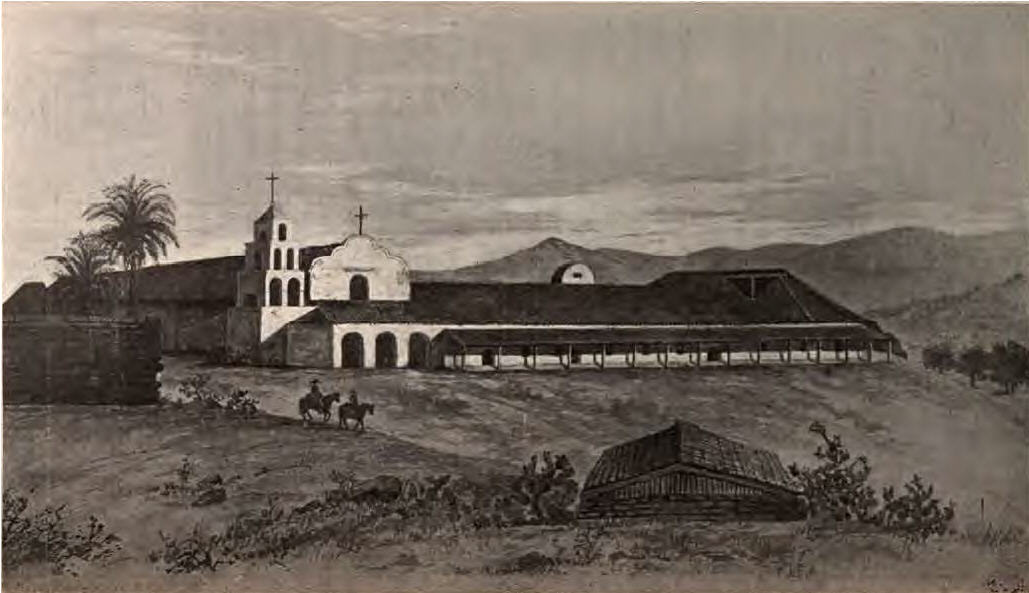
    Mission Alcala

    San Diego Mission Alcala

      • The Mission grape came from the Canary Islands a cousin of Pais, Grillo and Listan Prieto, It was planted in Mexico, Baja California and San Diego (Alta California).
      • Grapes came by way of Baja California brought by Franciscan monks as they built missions.

    1781-82:  Wines were made in San Diego almost 100 years before anywhere near San Francisco.

      • San Diego Mission Alcala became known for producing wines, so much so that the Spanish Governor of California sent bottles of San Diego wine to Spain to show off the quality of wine coming from the colonies.

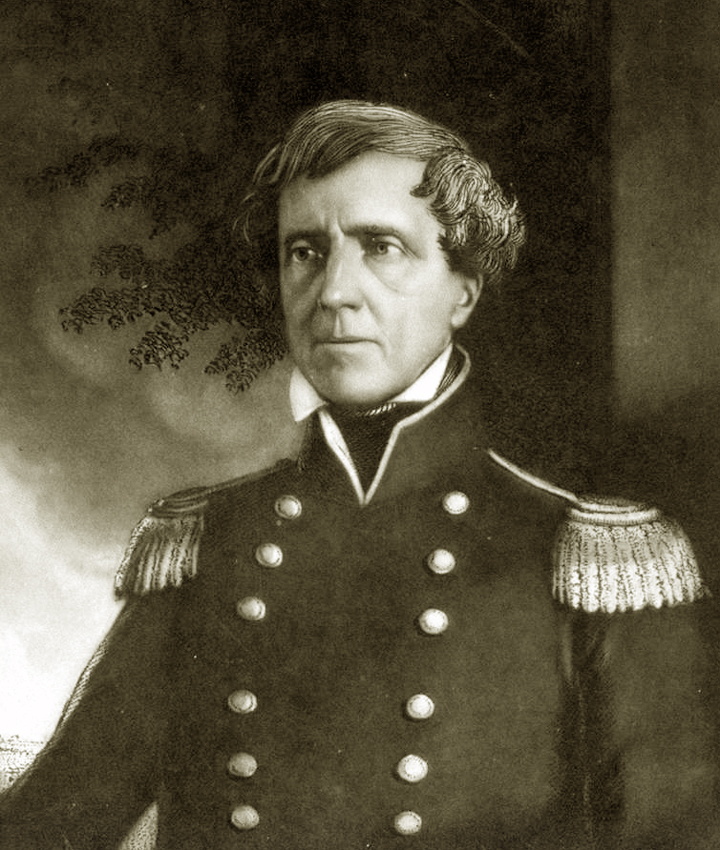
        General Kearny

        General Kearny

    1830’s: Mexican ranchers provided brandy for the sick and wounded soldiers of General Stephen Watts Kearny in San Pascual Valley

    Jean Louis Vignes

    Jean Louis Vignes: the true father of California wine in Los Angeles

    1835: Jean Louis Vignes, French immigrant built Aliso Winery in Los Angeles

        • Famous for producing “Angelica” named after its place of origin, a sweet fortified wine aged for 8 years in oak.
        • Was producing 16,000 cases from Cucamonga Valley.
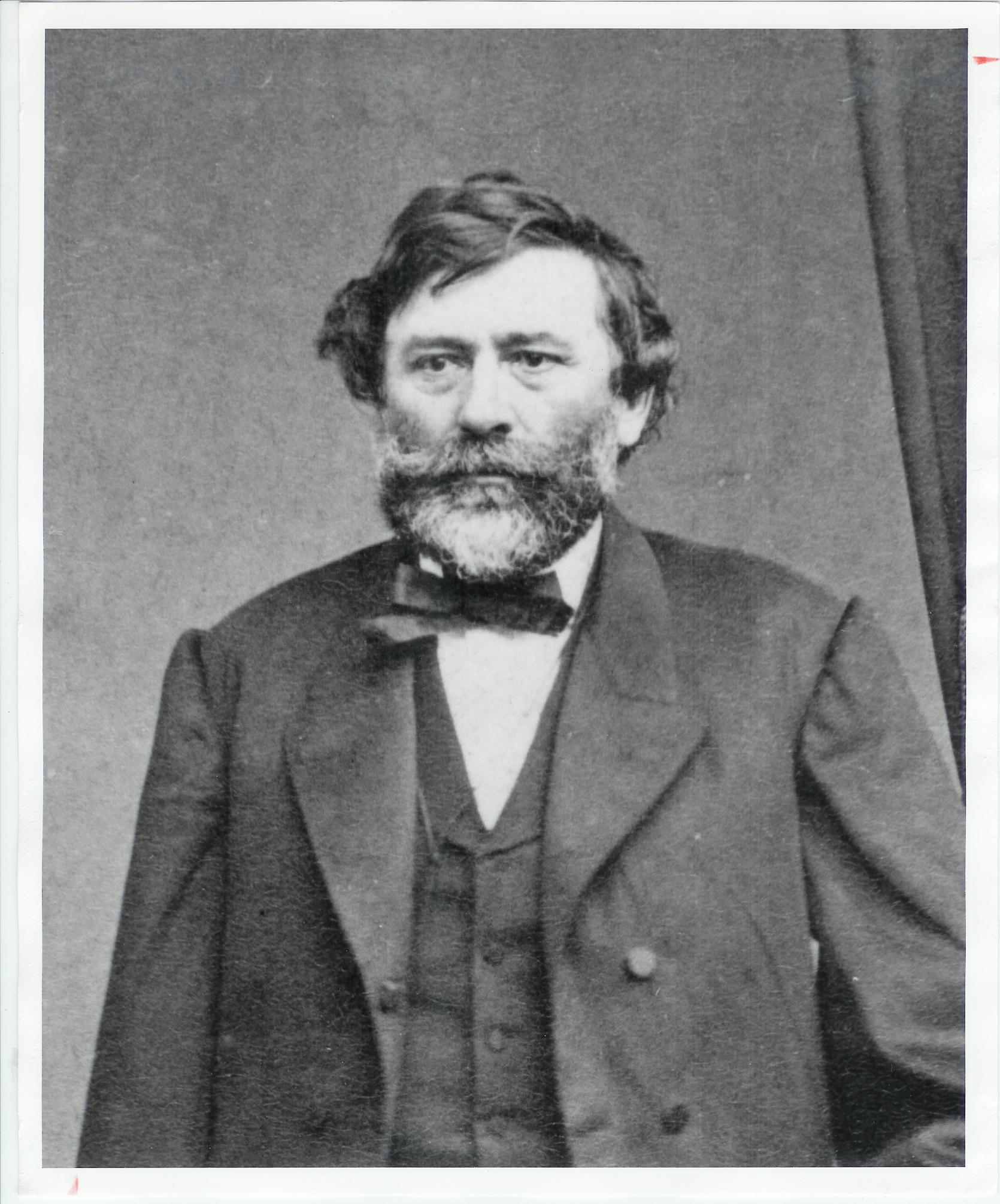
    Agoston Haraszthy

    Agoston Haraszthy: San Diego Sheriff founded Buena Vista winery in Sonoma

    1860’s:  San Diego Sheriff, Agoston Harazthy brought grapes from Europe to California.  depending on who you ask, is credited as the father of California wine.

        • Harazthy planted in Mission Valley where it was all farm land.  There was too much water there and grapes did awful. Moved to Sonoma.
        • Harazthy moved to Sonoma and opened the first winery in North California, Buena Vista. 1852

     ___________________________________________________________________________

    • Eastcoast wine drinkers were not into San Diego wines because the Mission Grape produced light bodied wines with little structure.
    • SD made up 6 acres of the total, by 1910 SD produced 5,000 acres. Not all for wine.

      Maxcy's Vineyard Ranch

      Maxcy’s Vineyard Ranch: courtesy of Eloise Perkins

    1851:  Asher E. Maxcy moved to SD and built the First Commercial winery in SD was “Vineyard Ranch & Winery” in Bear Valley now known as Valley Center.

    • His wine maker was Pierre Hagata who came to SD from France in 1873.
    • 1879 it was reported that Maxcy had produced 1600 gallons of wine.
    rancho Santa Margarita

    Rancho Santo Margarita: courtesy of Richard Carrico

    1856: San Diego was lumped into the region of LA, San Bernardino, Santa Barbara, San Luis Obispo. together  they produced 54% of California grape production.

    1864:  Juan Forester at Rancho Santa Margarita, an Englishman who controlled National City and Rancho San Felipe.

    • First vineyards of Rancho Margarita were planted by Franciscan priests in 1789.
    • Produced about 1,200 gallons
    • Today it is part of Camp Pendelton
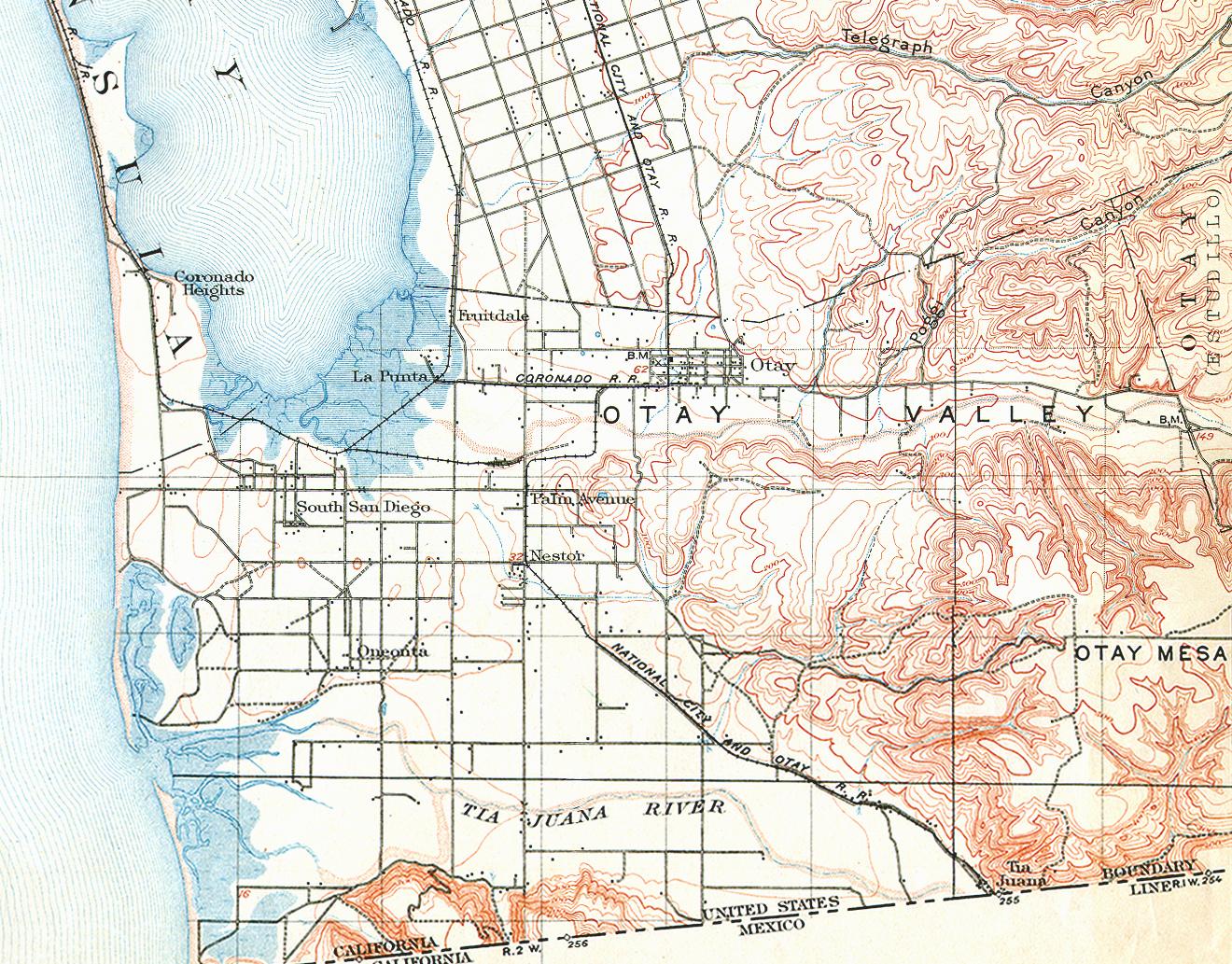
    Otay Valley

    Otay Valley: courtesy of www.sunnycv.com

    1878: Emanuel Daneri and Italian immigrant built a massive winery, ‘The Daneri Winery in Otay valley”. One of the largest, and most well-known.

    • He built the winery underground
    • Produced 20,000 gallons.
    • Bought a retail shop downtown and advertised free samples of wine.
    • Tasting room and hospitality
    • 1916 the Otay dam broke causing a massive flood which destroyed the winery and vineyards, killing workers and destroying wine. He never rebuilt.
    Jules Delpy

    Jules Delpy: courtesy of http://image2.findagrave.com

    1884:  Jules Jaques Delpy, newphew of French Immigrant, Bernard Delpy began wine making in Vista, The Delpy Winery.

    • Imported Spanish oak for aging and used redwood for fermenting
    • Winery burned down in 1902 and rebuilt in 1903
    • Pierre Hagata from Maxcy’s Vineyards helped make the wines
    • Court battle of selling wine, changed law that vineyard owners were not required to have a liquor license to sell own product
    • Prior to prohibition they produced 200,000 gallons/year
    • Before Prohibition he leased his winery to wine makers from Northern California
    • After Prohibition in 1934, Jules began to make wine again, 150,000 gallons
    monte vino

    Monte Vino in Alpine: courtesy of http://www.alpinehistory.org

    1885:  George Phillip Brabazon Irish immigrant purchased property in Alpine, Monte Vino

    • Used Zinfandel brought from Spain
    • Hired Indians to stomp barefoot which neighbors did not like. In 1901-08 he sent 30 Gallons to England.
    • Planted 1400 ft Monte Vino and sold for 2 to 3 times the price of others

    1886: Grapes planted in San Diego were: Carignan, Mataro, Mission, Grenache & Zinfandel

      • Carignane was planted all over California. Was blended with Gamay to create the Olmo Grape or better known as “Ruby Cab” to make bulk wine in central valley
    Ferrara Winery

    Ferrara Winery: courtesy of http://www.ferrarawinery.com

    • 1919:  George Ferrara Oldest continuously operating winery, The Ferrara Winery.
      • During prohibition sold grapes for home wine makers and communion
      • Closed in 2011

      Bernardo Winery

      Bernardo Winery: courtesy of http://bernardowinery.com

    1927:  Vincenzo Rizzo immigrants from Italy, began making wine in Rancho San Bernardo. Vineyards there were planted by Sicilians 40 yrs earlier. The Bernardo Winery is still making wine today and is San Diego’s Oldest Winery.

    By early 1900’s: Escondido, Ramona, Witch Creek, Poway, Julian, San Marcos, Poway, Ballena Valley were all producing in North County

     Wine Shops in San Diego

    San Diego wine shops

    S.W. Craigue advertizement: Courtesy of Richard Carrico

      • S.W. Craigue & Co. was selling SD wine and called it “California Wines made a Specialty”
      • San Diego downtown had wine shops selling wine in bulk
      • Most wineries did not bottle and sold casks to wine shops to bottle
      • Mark up was double, 750ml = 1 hr of labor
      • GOLD RUSH sent many people to Northern California.  More consumers for wine led to large wineries and estates.  Since they has the infrastructure to bottle, Sonoma wineries could send to consumers
      • In San Diego, wineries were smaller and you have to go to the shop or bring in your growler or buy by the barrel.
      • Sonoma wineries began to market their wines with names referring to the Old World using words such as “Burgundy” “Claret”
      • Aged vintages from Sonoma were marketed to upper class in SD
      • Wines began getting popularity and quality in San Diego improved. But in 1920 Prohibition changed everything.  Wine makers sold their grapes for communion and to home wine makers.  Many wineries closed.

    1934:  SD had 10 wineries.  Baja wineries were buying SD grapes to make wine. L. A. Cetto and Santo Thomas

    1930’s-40’s:  World War II

    • Land was used to grow crops for the war effort
    • Law passed in 1943 prohibiting the sale of bulk wine (bad for AD, since most sales were by the barrel)
    • This raised the price of wine.
    • Machinery was now needed in wineries
    • Post Prohibition generation lost connection with wine, how it was made and the family’s ties to the old world. Wine quality suffered.
    • Yellow fizzy beer, hard liquor cocktails and Coca Cola became drinks of the time. People were not used to drinking alcohol.
    • 2 types of wine: jug wine and aged fine wine. SD did not fit into either category.
    • Grape growing in SD increased, however quality decreased since SD stopped producing fine wines.  The demand was for sweet easy to drink wines.

    1964: SD only had a few wineries Brookside, Bernardo and Ferrara.

    Cilurzo Winery

    Cilurzo Winery: courtesy of http://wineormous.com

    1968: Vince and Audrey Cilurzo planted 1st commercial winery in Temecula.  Wineries that followed were Callaway (the 1st bonded winery), Mount Palomar, Filsinger and Hart
    1975:  88 acres, 1980 = 225 acres, 2008 = 500 acres.
    1976:  The Wine Spectator started on the streets of OB by Bob Morrissey

    Today’s Reputable Wineries

    San Pascual Valley is now known for vineyards which started with Jaeger, San Pascual and now Orfila.

    Ramona has the most vineyards in San Diego just a few are Scheasdall, Chinook, Mahogany Ranch, Pamo Valley,  Milagro Farms (Jim Hart)

    Julian has Menghini, Witch Creek, &  Carossa

    Warner has Shadow Mountain,  J. Jenkins and until 2011 Ferrara Winery.

    Escondido has Belle Marie, Triple B Ranches, and Vesper Vineyards

    San Diego Urban Wineries Vinavanti & Stehleon are just a few.

    >>>>THIS EVENT IS SOLD OUT<<<<

    winemakers of San Diego

    >>>>THIS EVENT IS SOLD OUT<<<<