Author Archives: Maurice

  1. The San Diego Restaurant Industry

    1 Comment

     San Diego Industry

    Prior to working in the San Diego Restaurant Industry I had worked in San Francisco’s restaurant industry. It was referred to as “THE INDUSTRY”.  I did not understand what people meant by the industry.  I always associated the word industry with factories, the industrial revolution and corporations.  I’d hear bartenders and servers chatting at a house party with other young professionals saying  “I work in the industry”.  The teacher, lawyer or dot comer would nod and reply, “right on.” Apparently they knew what they meant by “The Industry” and it seemed to carry some clout.  The longer I lived and worked there it made more sense.  I worked in an industry, the service and hospitality industry. Merriam Webster defines industry as:

    1) the process of making products by using machinery and factories. (I guess my initial understanding was correct.)

    2) a group of businesses that provide a particular product or service. (check!)

    3) the habit of working hard and steadily. (absolutely.)

    San Francisco’s factories are the restaurants and bars.  Look at the Portero district, at one time home to many factories today a thriving restaurant district.  As the outer neighborhoods became more gentrified, warehouses turned into condos, homes became bars, and gas stations transformed into restaurants. A new industry emerged.

    The service/restaurant industry could not proper without restaurants coming together.  The San Francisco industry was and is a tightly knit community.  There are people jumping from one job to another in search of the perfect gig.  The industry worker in SF is a professional.  They may work days at one restaurant and nights at another.  In order to get into a good establishment you have to prove yourself.  You have to know your shit. It is not about  how you look, but what your resume says.   That restaurant industry has high expectations.  To meet those expectations, one has to work hard, the third meaning of Industry.  People in the SF service industry not only hard work because the job is demanding, but because they are dedicated to their work.  Without dedication there is no chance of working in a good establishment.  There is always someone better to take the better shifts.  Competition has created a vibrant industry.

    Since returning to San Diego I have seen an industry begin boom.  Have you noticed Little Italy, East Village, North Park and South Park?  All these areas have become major restaurant districts.  We have restaurants opening in Bonita, Chula Vista, Imperial Beach areas which at one time had nothing but taco shops and corporate shopping mall restaurants.  There exists an “industry” in San Diego.  However, we still have a ways to go.

    up sell the experience

    The Experience Assembly Line

    Industry produces a product which can be sold. In the restaurant we produce food and drinks, but most importantly an experience.  I challenge all restaurants and bars to think about producing an experience.  The food and drink is important, but service and the soul of the space is equally as important if not more important in creating an experience. What are you doing differently to create a memorable experience?  Dining has to be more than just eating and drinking.  As minimum wages increase and increase in menu prices off set those costs, our service needs to compensate.  We need to create an experience.

    How do we do that?  It comes from the employee.  The employee is the face of the business.  But who are our employees and what standards are expected of them? In San Francisco there is competition, in order to get in to the best places you have to prove your self.  The labor force is full of professionals.  We are beginning to get more professionals in San Diego but we still do not have a large enough labor pool.  It is a college town, not to say college students don’t make good employees, but the majority have to much going on and work is a way to get by.  Professional employees treat it like a profession and this means they put time and effort into their work.  This means taking outside time to further their education and sharpen their craft.

    In order for this industry to thrive, we need to hold our employees more accountable. We need to set expectations.  They need to know that the industry will only survive if we can sell what we produce. Like in all economic theories, production needs to equal the demand.  We know there is a demand for food and drink, or else places would not be popping up.  But for a long term success we have to increase our production of experiences.  Our employees need to produce the experiences and sell them.  Many do not understand this, and as managers and restaurant owners, we need to lay this out for them so they understand. But how do we select employees who are capable of producing?

    come together

    Come Together, Right Now…

    The reason the industry in SF succeeds, is because as I said in the beginning it is a tightly knit community. This means everyone knows everyone.  They realized quickly that more restaurants did not mean more competition it meant more people will go out to eat.  In SD we are still a bit closed off.  We hear of a new restaurant opening and restaurant owners get the chills, “I hope it is not near me.”

    I do not understand this way of thinking.  Look at the areas we mentioned, Little Italy, North Park and South Park, they have become thriving districts and most the restaurants in those areas succeed.  That is as long as they produce an experience. Those that are scared, shame on you. The reason you don’t want more restaurants is because you know you are inferior and cannot compete.  More competition puts everyone one  their toes and challenges them to do their best.  Yes, they now have to work for it.

    But we do not need to do it alone.  Work together. Go out and visit other restaurants. Talk with other servers and bartenders. Learn what they do best. Take the good, take the bad and make your decision on how you can improve your business.  I get so frustrated when I see below average servers and managers working at other properties. When I see people that worked with me at some point and then run into them at another establishment I cringe.  Why couldn’t they call for a reference.  We should be a close knit community and use each other for success. So if you decide to hire someone that is going to represent your brand and you do not check a reference then shame on you. You obviously do not want to thrive in the industry of hard work. If it is too difficult to pick up the phone and call for a reference then you obviously  are not invest in training and could careless about your brand.

    hard work

    Hard Work is Pride

    Hard work can be construed as a negative. Nobody wants to work hard.  The definition of industry is the habit of working hard.  However, hard work does not mean laborous, back breaking work.  It means taking pride and putting time into what you do.  Hard work is equivalent to time, thought and passion we invest in our jobs.  In the “Industry” in SF, pride and passion were key.  People were proud of their position as a bartender, server or manager.  They invest time and energy in what they do with the intention of always looking to improve. They strive to be creative and push the boundaries.

    I see this in San Diego among the craft beer and craft cocktail community.  Bartenders work hard to push the boundaries of cocktails.  They take their work home, practice and perfect their craft. Breweries work around the clock looking for the next beer flavor and improving their core beers.  There are restaurants that trying to push the dining experience.  However, as a whole I see too much complacency.  Too many restaurants open with the same formula. Managers, servers, bartenders come and go and very few retain long term employees. There is a lack of pride.

    In order for a successful industry to thrive the workers need to have pride in what he or she does.  I see so many passersby in this industry and it is detrimental to the demise of our industry.  Few of these transient workers take pride in what they do. Without pride, how do we expect them to give the guest a special experience.  They are there to collect a tip, pay check and go home.  All the other steps of service during their 6 hours of work, are just steps, no thought or energy is invested.

    And this comes from the top.  I firmly believe in a one of the principles of Marxism in that the employees should choose their managers.  For example, the server knows where the mice en place should best be located, the bartender knows where the well should be built.  They work those stations on a regular basis. They should hire the manger and select a manager that will help them succeed in performing those steps of service with most efficiency. The managers goal is for effective and efficient service.  The employ hires a manager which will meet this goal, a manager that motivates, teaches and is clearly there so that the employee and guest are rewarded. This means that the managers need to take pride in what they do. But how many actually do?  How many think about how to improve, educate and rise the level of their employees. How many are there because it is a job that has some sort of prestige, but really are not invested in the the long term success of the business. If a manger does not take pride in what they do, then neither will their employees. A strong staff comes from strong leadership. Leadership is not ruling and enforcing, leadership is inspiring, setting high expectations and helping people meet those expectations.  I hate when I see managers that have high expectations but do not invest the time and energy that is needed to help the staff accomplish meeting them. Rather, they watch and wait for them to fail so that they can use their power to chastise and demean.

    Pride means working hard, setting high expectations and inspiring those around us.  We need to step it up in order to create a a strong industry in San Diego.  We have to take pride in what we do.  This translates to the guest as a memorable experience.  We have to get away from doing what we do because it is what we do. We need to go further and push the boundaries of our industry.

    We are so close.  We need to work together as restaurants, bars and pubs and build a strong unity in order to create a thriving industry.  My challenge to you is to support other local business. Talk to them. Remove negative finger pointing and insecurity and make competition internal and not external. Reach out to others, ask questions, share recipes and ideas. Take pride in your job and inspire those around you to be their best.  Then and only then will we ever have a thriving in San Diego Restaurant Industry. I look froward to it.

  2. A Better Understanding of Baja Wines

    5 Comments

    Baja Wines Uncorked

    The first Baja Uncorked went down last week.  Baja what?  Baja Uncorked is the first buyers trip to the Guadalupe Valley put on by La Mision Associates and La Competencia, two distributors of wine from the Guadalupe Valley.  Wineries of Baja invited wine writers, retail shop owners and sommeliers on a three-day journey exploring the wines of the valley.  They were treated to three packed days of seminars, winemaker greet and meets, tastings, winery tours and extraordinary meals.  The wineries presented their valley to a small group of wine professionals in hopes that people will have a better understanding of Baja wines. Today I’d like to fill you with intrigue and shed some of the mystic of Baja  wines.

    HISTORY

    To really understand Baja, we have to go back and see how it all began.  The first vines in the Americas came by way of Spanish conquistadors in the early 1500’s.  Once their supply of wine ran out, they turned to planting grapes in the Parras Valley in the state of Coahuila in central Mexico.  The first winery was established in 1597 by Lorenzo Garcia called Casa Madero.  The main grape planted in those days was a red grape known today as the Mission grape.  It is said to be the same grape as Listan Negro in Spain, also known as Criolla and Pais in other areas of South America.  This grape made light bodied wines intended for brandy production. Just as Mexico began to produce its own wines, the Spanish crown put an end to it.  The Spanish saw their wine trade suffering, and outlawed Mexico from producing wine.

    Casa Madero

    Valle de Parras

    For many years, the production of wine in Mexico was limited to the missionaries wine for sacramental use.  Two Jesuit “padres”, Juan Uguarte and Junipero Serra made their way into Baja and established the first mission in 1767, in Los Cabos.  These were the first grapes planted in California.  Junipero Serra was tasked to move north and build missions in Alta California while Juan Uguarte built missions in Baja California.

    It was not until the 1880’s that Baja built its first commercial winery, Santo Tomas in the Santo Tomas Valley, 30 minutes south of Ensenada. The first European grapes to come into Baja were Grenache and Carignan.  They came to Mexico by way of the Spanish.  During the turn of the century they were the work horses for Baja and Alta California.  It was not until the 1930-40’s when we saw Italian varieties make their way into the valley.  The man responsible was Camilo Magoni, who worked at L.A. Cetto for 50 years.  He was an Italian immigrant from Northern Italy.  Over many years he planted many Italian varieties such as Nebbiolo, Barbera, Dolcetto, Sangiovese and Aglianico.  The challenge he faced was Mexico’s warmer climate and lack of water. It was a very different climate from the mountainous cool region of Piedmont.  Today some of the best single varieties come from these Italian varieties brought by Magoni.

    In the 1950-60’s winemakers started to look for fruitier, softer wines that could be enjoyed with pizza and tacos.  They turned to California nurseries and began to plant cuttings of Cabernet Sauvignon, Merlot and Cabernet Franc. These Bordeaux blends made more sense in the market place. People had just heard about  the growth in California in the 1970’s.  Their Cabernets and Chardonnays were winning competitions in France, the Mexican winemakers decide to follow in their northern neighbor’s footsteps.  Back then there were just a handful of wineries such as Santo Tomas, L.A.Cetto and Cavas Valmar.  Cavas Valmar was started in 1983 by Fernando Martain.  He worked at Santo Tomas from 1978-84 and worked with the famous André Tchelistcheff.  Fernando has since been a great inspiration and significant part of the Baja wine movement.

    Camilo, Zamora, Martian

    Laura Zamora (Santo Tomas), Camilo Magoni & Fernando Martain

    His friend Hugo Acosta came on the scene in 1988, he too worked at Santo Tomas.  Hugo Acosta studied at the School of Agronomy in Montpelier France and the Agricultural University of Turin.  He returned to the valley and began teaching people how to make wine.  There was plenty of fruit in the valley, but no one outside the major wineries knew what to do with it.  Hugo started “La Escuelita”, a wine making school for the people in the valley.  He has inspired many of the wineries in the valley and has been a crucial part of the valley’s success. Today he is regarded as the godfather of the Guadalupe Valley.  His brother, Alejandro has been an instrumental part as well.  Alejandro is an architect and has built many of the hotels and wineries that dot the valley.  His creative designs give the valley a special character you can find nowhere else.

    glasses baja uncorked

    THE LAY OF THE LAND

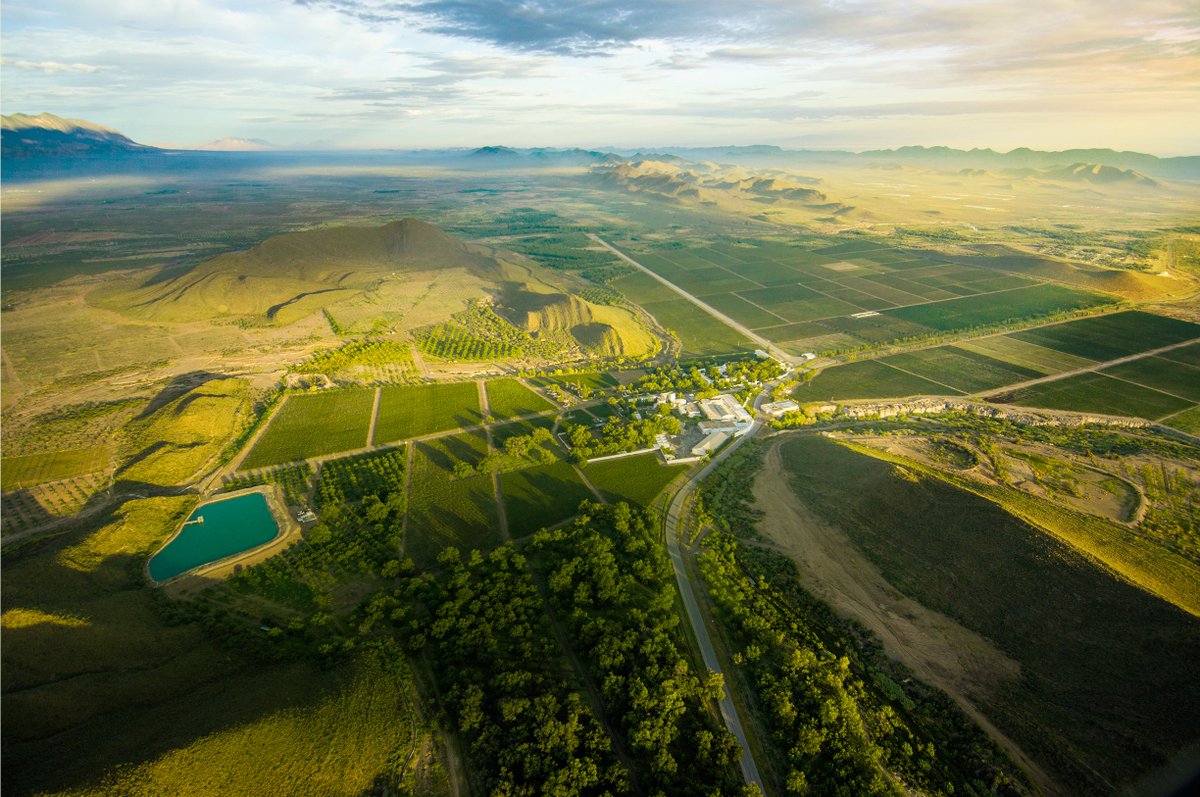
    The Guadalupe is about 1 1/2 hours south of Tijuana and 20 km east of Ensenada.  It was first settled by Russian colonies. In 1834 missions were built, however; the natives of the valley destroyed the missions and kicked out the missionaries. Today the valley is divided into 3 sections.  The first area is called San Antonio de las Minas and you come across it as soon as you enter the valley driving in from Ensenada.  If you continue on the Highway 3 eastward, you will reach Francisco Zarcos.  To the north is an area called Porvenir.  The wines of Baja California are not all grown in the Guadalupe Valley. There are many more vineyards outside the valley.  40 km to the east on the other side of the mountains is Valle de Ojos Negros.  Ojos Negros is a newer region where we are seeing much experimentation such as plantings of Pinot Noir.  20 km to the south of Ensenada is a small valley, the Uruapan Valley. 40 km south of Ensendada is the Santo Tomas Valley, the first area to plant grapes for wine production.  60 km further south is Valle de San Vicente where many of the grapes are harvested.

    The Guadalupe valley is unique in that the soils are granite base with loamy sandy top soil.  Soils are great for drainage and repelling pests. The Valle is surrounded by mountains, blocking off the marine weather and allowing cool breezes to cool the valley at night.  The change in elevations is excellent for planting varieties on valley floors and at higher elevations providing winemakers with different choices.  Today there are about 120 wineries in Baja, and that number is growing everyday.

    Guadalupe Valley Map

    ALPHA & OMEGA

    So why don’t we see more of these wines in the USA?  The first thing we have to understand, is that although grapes have grown in Mexico longer than anywhere else in the America’s, production of wine is fairly recent.  Baja California is still a very young region.  It was not until the 1980’s when we saw an increase in production.  While California was winning awards in Europe, Baja was still trying to figure out what to grow and how.  The Alpha part of the equation is water. There is very little water in the valley.  Low amounts of water limits the amount of wines which can be produced.  Yields are low due to the inability to irrigate.  Lack of water hinders the building and expansion of wine making facilities.

    The Omega part of the equation is marketing.  How do they market their wines in the USA if production is so low.  Lower yields means less production and higher prices.  Wineries have to be sustainable, therefore increase prices to cover overhead and production.  The Baja winemakers choose to make wines that are more intense, from lower yields, therefore require a higher price.  This is very difficult for the general consumer to understand.  No one wants to buy expensive wines from an unknown region.  Why should they, there are so many quality wines at lower prices from Argentina, Chile and California.  The Chileans used another model, they bombarded the market with high yields and inexpensive wines.  Today they struggle to get recognized as a premium wine region.  Baja winemakers have decided to approach it differently, and aim for quality versus high yields.

    Baja Vineyards

    Now let’s say that the Baja wines make a splash in the market place. Let’s say that everyone falls in love with their intensity and flavor.  People start to seek them out and now Baja wineries cannot keep up with the demand. This can have two outcomes.  One, distributors become upset when they cannot fulfill orders to wholesalers and retailers, so they stop importing Mexican wines.  Or two, the wine collector, infatuated with hard to find wines,  will pay premium prices which increase the cost of wines for the public.  The wines become cult like in status.  Unfortunately, the more likely scenario is number one.  Baja wineries first need the importer and distributor to get the wines across the border, so the cult status would be a long ways down the road.

    THE FUTURE

    So what is the next step for Baja wines?  Remember, Baja is still very new.  They are sandwiched between veteran producers and consumers of California and South America.  At this time all they can do is grow and learn.  The new generation of winemakers are going outside of “la Escuelita” and learning from other great winemakers in other countries.  While studying abroad and working in other regions they bring back creative ideas on how to deal with their issues in Baja.  Baja already has many grape varieties planted.  Baja is diverse in elevation and soils.  This diversity along with their proximity to the ocean, allows them to plant and experiment with many grapes.  Today, Baja wines are known for their unique blends. In Baja, single varieties have a different expression and are atypical. Hence, allowing winemakers to create blends no one else can make. Sure, Australians can blend Cabernet Sauvignon with Shiraz, but they can’t do what the Mexicans do.  They cannot get away with blending Cabernet, Syrah, Tempranillo and Nebbiolo, crazy new blends only seen in Mexico.

    guadalupe Valley

    The future of Baja is based on wineries finding their niche and improving their wines.  What they have going for them is that they are not arrogant nor set in their ways.  Baja is one of the few regions which is open-minded and ready to try anything.  Baja is a great haven for bored winemakers of France, Italy and California.  They would have a field day exploring Baja’s wild west of wine.

    Distribution is the next issue to tackle.  Baja winemakers need to enter the market with affordable wines.  This is becoming more and more possible.  More plantings are occurring each year.  Winemakers are learning to use what they have and will hopefully begin to produce by the glass offerings.  They need to enter the market with $10-15 wines.  I would suggest they put more focus on whites and roses.  These are far cheaper to produce, they use less water and can generate a profit quicker than reds which need to age. If you are a consumer and you enjoy an affordable Baja Chardonnay, wouldn’t you be inclined to buy a more expensive red from that producer?

    People like Michelle Martain, daughter of Fernando Martain is an important part of this growth.  Her import company, La Mision Associates imports Baja wine into the US and is going on 5 years.  She goes door to door, winery to winery trying to make this work.  She was raised in her father’s winery and is determined to share her country’s wines with the world. After much sacrifice, she has opened many doors for her wineries.  She is also very smart.  She knows she cannot do it herself and reached out to Tom Bracamontes of La Competencia Imports, a new Baja wine import company.

    Baja uncorked


    Michelle Martain (La Mision Associates), Myself, Michael Langdon (Whole Foods), Tom Bracamontes (La Competencia) & Danny Fancher (Estancia Hotel)

    Tom’s background was in the music industry, hip hop.  Tom, a “Gringo-Mexican” who does not speak Spanish made a name for himself at Tommy Boy Records.  Tom does not pretend to know it all. However, he understands people and how to approach situations with transparency and a no bull attitude.  This has earned him trust among wineries in Napa Valley and wine buyers in many states.  He represented Mi Sueno winery for many years and took a handful of Mexican-American owned Napa wineries under his wing helping to bring their wines into a competitive market.  He is a marketing all-star who today has opened 5 new markets for Michelle and the Baja Winemakers; California, Arizona, New Mexico, Texas and Chicago.  Together, Michelle and Tom will open the doors for these Baja wineries and our palates to new intriguing wines.

    I suspect that one day when our children are drinking a glass of Baja Pinot Noir in Paris, they will be telling this history of Baja wines. They will mention Father Juan Uguarte planting grapes, Santo Tomas producing wines, Camilo Magoni expanding the horizons, Fernando Martain’s influence, Hugo Acosta’s inspiration and the risk and hard work of Michelle Martain and Tom Bracamontes.

    Team Baja Uncorked

    SOME WINE

    While spending those few days in the valley, I decided to make a wine for my restaurants.  My intention was to make a red blend which could be enjoyed by itself, but better with carne asada tacos.  I worked closely with Laura Zamora, winemaker of Santo Tomas, the oldest winery in Mexico. Tempranillo was my backbone.  The Tempranillo was aged for 6 months in American oak and provides the tannin and structure.  I then tasted several samples of Grenache, Carignan, Syrah, Barbera and other grape varieties.  I landed on adding an un-oaked Syrah.  I am looking for fruity, juicy freshness and the Syrah gave it just that plus body.  Something was lacking, so I turned to one of the grapes that I think grows best in the valley, Barbera.  The Barbera brought the wine together with acidity and red fruit.

    Costa Tierra Blend

    Blending Costa Tierra Wine

    The name of the wine is Costa Tierra, meaning seacoast and land.  The reason for this is to unite California and Baja California.  For centuries we have shared the same sea-coast, the same land and the same people. When it comes to food and wine the border is a fictitious border.  I want to tear down the wall and unite the two regions.  We may speak different languages and celebrate different holidays, but we both share in the rewards of a thriving epicurean future.

    Costa Tierra Wine

    The wine will be available at Coasterra and other Cohn Restaurants.

  3. Stand Outs from the San Diego Wine and Spirits Challenge

    Leave a Comment

    Wine and Spirits Challenge

    The San Diego International Wine Competition had a face lift this year.  It now features a spirit competition. The new name after decades of existence is the San Diego Wine and Spirits Challenge. I had the pleasure of judging both wine and spirits this year.  There were about 10 tables with 3 judges per table.  My fellow judges were Nick Passmore from Forbes Magazine and Michael Cervin from the Hollywood Reporter.  The wines and spirits were brought out to us in flights of 6-10 glasses.  We judge each fight blind.  The flights were served in order of type.  For example, we started with a flight of Pinot Noir and then a flight of Red Bordeaux Blends.  This year we were not told the price of the wine, so there could have been $8 Pinot along side $40 Pinot.  I guess that makes sense, we judge the wines on what they are, Pinot Noir and not what they should taste like for their price.

    So how do the medals work?  Each wine receives a numeric score between 87-100.  An over all score of 87-89 is awarded a Silver Medal, 90-93 a Gold and 94-100 a Platinum or Double Gold if it is spirits. The scores were done individually.  After we tasted and rated the flight, we each gave the wine a score.  I may give an 88, another judge gives a 93 and another no award.  Our moderator would take an average of our scores and award the wine that number. So a wine as in this example received a Silver medal with a score of  88.  There were times where we all agreed and other times when we were way off each other, as in the example above.

    You can see the full results from both competitions here.  What I would like to do today is show you the wines and spirits which I scored highly.  Some received the medal I awarded them and some did not.  It is very humbling to see the results.  If I saw some of these wines at the store, I would not buy them because I am a prejudice wine snob.  It just goes to show that you cannot judge a wine by its label.

    Organizer extraordinaire, Robert  Whitley did a nice article on the wine which won best of show, Trinchero Forte. Check it out here.

    ROSE

    Boschendal “The Rose Garden Rose” Coastal Region South Africa ’15  Awarded 94 pts…received 94pts $16

    Chateau d’Esclans “Whispering Angel” Provence France ’15  Awarded 90 pts…received 90 pts $22

    Handley Cellar Pinot Noir Rose Anderson Valley California ’15  Awarded 90 pts…received 88 pts $25


    WHITE WINES

    Reustle “Prayer Rock Vineyard” Gruner Veltliner Umpqua Valley Oregon ’14  Awarded 90 pts..received 88pts $29

    Zocker “Paragon Vineyard” Gruner Veltliner Edna Valley California ’14  Awarded 90 pts…received  no award $20

    Rebel Coast Winery “Sunday Funday” White Blend California ’13  Awarded 90 pts…received no award $12.99

    Little Lakes Chardonnay Russian River Valley California ’14  Awarded 92…received 90 pts $14.95

    Frei Brothers Reserve Chardonnay Russian River Valley California ’14  Awarded 90 pts…received no award $20

    Kendall-Jackson Grand Reserve Chardonnay Monterey/Santa Barbara ’14  Awarded 94 pts…received 87 pts $20

    Kendall-Jackson “Avant” Chardonnay California ’14  Awarded 90 pts…received 94 pts $17

    Talbott “Kali Hart” Chardonnay Monterey California ’14  Awarded 92 pts…received 90 pts $23

    Chateau St. Jean “Robert Young Vineyard” Alexander Valley California ’13  Awarded 92 pts…received 88 pts $25

    Chateau Ste. Michelle & Dr. Loosen “Eroica” Riesling Columbia Valley Washington ’14  Awarded 90 pts…received 89 pts $20


    RED WINES

    Chateau Elan Winery Reserve Pinot Noir American ’15   Awarded 90…received 91 pts $24.95

    D&L Carinalli Vineyards Estate Pinot Noir Russian river California ’14  Awarded 92 pts…received 95 pts $25

    Gallo Signature Series Pinot Noir Santa Lucia Highlands ’14  Awarded 91 pts…received 91 pts $13.99

    Randall-Monroe Pinot Noir California ’14  Awarded 90 pts…received 89 pts $8.99

    Dry Creek Vineyard “The Mariner” Meritage Dry Creek California ’12  Awarded 90 pts…received 89 pts

    Opolo “Rhapsody” Reserve Meritage Paso Robles California ’13  Awarded 93 pts…received 90 pts $47

    V. Sattui Winery “Paradiso” Bordeaux Blend Napa California ’12  Awarded 90 pts…received 90 pts $85

    Raymond Reserve Selection Merlot Napa California ’13  Awarded 90pts…received 88 pts $24

    Columbia Winery Cabernet Sauvignon Columbia Valley Washington ’13  Awarded 90 pts…received 90 pts $16

    Frei Brothers Reserve Cabernet Sauvignon Alexander Valley ’13  Awarded 91 pts…received 91 pts $27

    Peju Cabernet Sauvignon Napa California ’13  Awarded 90 pts…received 90 pts $50

    Kendall-Jackson Grand Reserve Cabernet Sauvignon Sonoma California ’13  Awarded 91 pts…received 91 pts $28

    Gallo Signature Series Cabernet Sauvignon Napa California ’13  Awarded 92…received 90 pts $40


    SPIRITS

    Scoring the spirits was a bit different. They too were judged blind.  If all three judges gave an award of gold, then it automatically received a double gold and no point is attributed.  Otherwise, our scores are tallied and it receives the average score of the three judges. For final results visit here.  Below were my favorites of the bunch.


    Johnnie Walker Double Black Blended Whisky Scotland  Awarded Gold 91 pts…received Double Gold $42

    Glenmorangie Single Malt Highland Scotland  Awarded 93 pts…gold 93 pts $40

    Kichoman Single Malt Sanaig Islay Scotland  Awarded 94 pts…received Double Gold $80

    Ardberg Single Malt Islay Scotland  Awarded 90 pts…received 90 pts $55

    Domaine de Papolle Armagnac Hors d”Age France  Awarded 92 pts…received 89 pts $110

    Krupnik Spiced Honey Liqueur American  Awarded 93 pts…received 89 pts $25

    Boyd & Blair Potato Vodka Pennsylvania  Awarded 90 pts…received 88pts $33

    Purity Wheat Vodka Sweden  Awarded 93 pts…received Double Gold $40

    Familia Camarena Blanco Tequila Mexico  Awarded 93 pts…received 88pts $50

    Tres Agaves Reposado Tequila Jalisco  Awarded 91 pts…received 92 pts $33

    Tequila Chamucos Reposado Tequila Jalisco  Awarded 92 pts…received 88 pts $50

    New Amsterdam Gin American  Awarded 92 pts…received 88 pts $14

    Beefeater 24 London Dry Gin London  Awarded 91 pts…received 91 pts $30

    Kinahan’s Irish Blended Whiskey Ireland  Awarded 94 pts…received Double Gold $40

    The Irishman Blended Whiskey Ireland  Awarded 93 pts…received Double Gold $30

    Canadian Club Rye Canadian Whiskey  Awarded 93 pts…received Double Gold

    John Barr Reserve Blend Blended Whisky Scotland  Awarded 92 pts…received 92 pts $25

  4. A Call for Organized Drinking

    3 Comments

    Where is wining and dining headed? It seems as though there has been a huge change in the way San Diegan’s dine. High labor costs has given rise to fast casual dining. There was a time when going out to dinner meant sitting in a restaurant, perusing the wine list, ordering a salad or starter, a main course and dessert. Today people go out to eat and order over a counter and their food is brought to them by a food runner. In order to get a drink they go to the bar open a tab and order a glass of wine, cocktail or beer. Long gone are the days of fine dining and table side service.  Restaurant owners have to change the way they do business.  They can no longer have servers, bussers, food runners, bartenders, sommeliers and baristas on the floor. The rise in minimum wages has forced them to re-think how to service the guest.

    I am not writing this to complain about this new trend in restaurants. I am merely acknowledging the changes in our approach to food and beverages. Fine dining is not for everyone, many people feel uncomfortable. This new fast casual dining is quick, easy and if you have kids, makes going out painless. However, something is lost. I have a bit of nostalgia for organized dining. I don’t mean fine dining. Fine dining gets confused with penguin suits, drawn out meals and expensive wine. Organized dining is different. Organized dining involves organized drinking.

    My favorite way to start a meal, pastis, absinthe or anise liqueur.

    Organized drinking is the way people of the old world approach their beverage choice with their meals. In France, before going to eat you may stop off at one of the many pastis bars for a quick drink of Absinthe, Pastis or Pernod. The apéritif is the opening to the meal. We drink it so that our appetite opens open. Our digestive system loosens up allowing us to begin the meal. Today, instead of asking for a pastis we ask for a cocktail. Some cocktails are made with an apéritif but most are not. A good cocktail should be balanced with sweetness, bitterness and tartness. But so many cocktails are not balanced. When we drink a lemon drop or Mojito full of sugar it slows down our digestion. That first drink is so important, it is what will decide how we will taste the food to come.

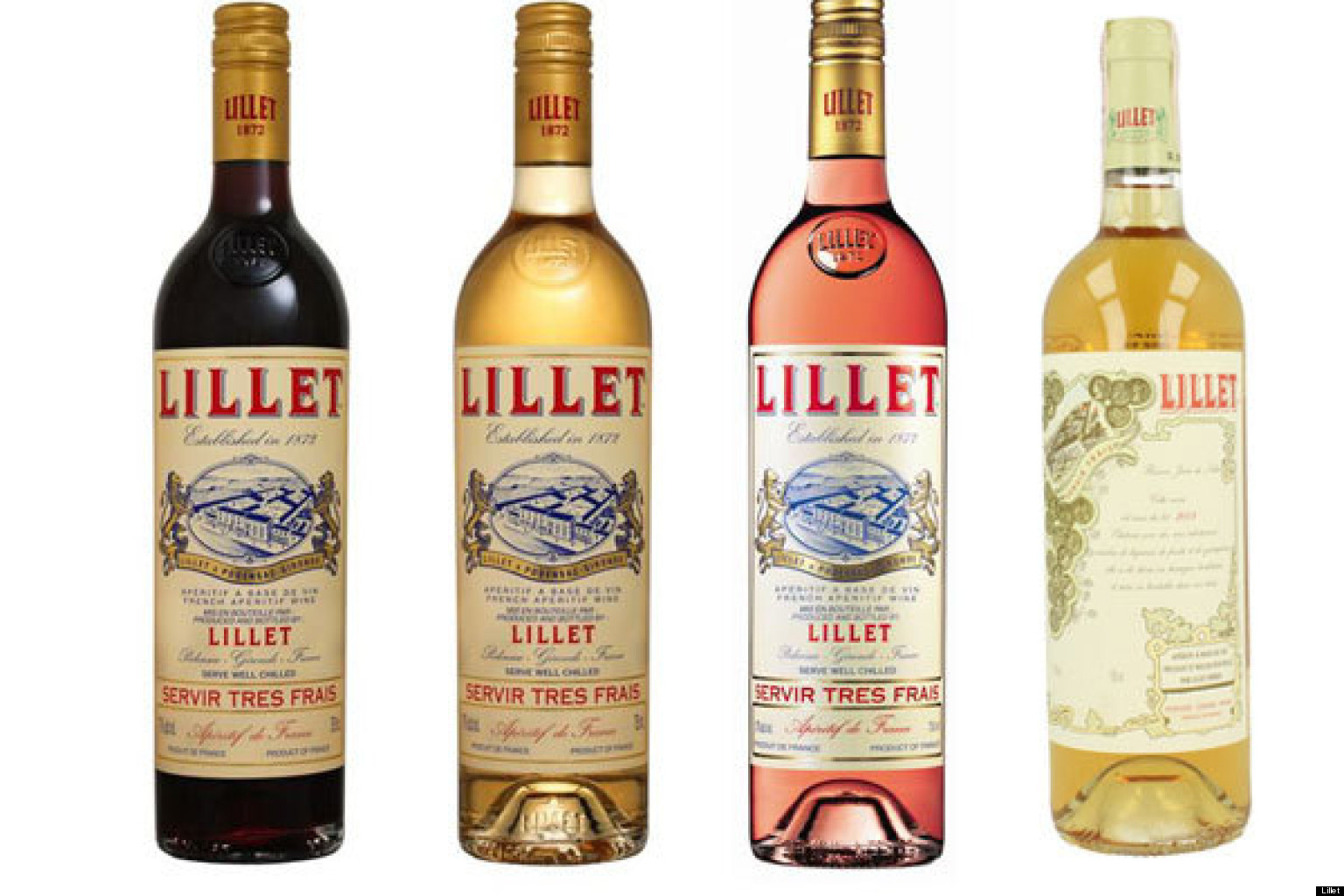
    lillet

    A wine liqueur, Lillet, makes a great start. Try with soda water and lemon twist.

    A good apéritif such as Pastis, Lillet or Vermouth is not loaded with sugar or alcohol. It allows your palate to open up and your taste buds to warm up. Starting off with a cocktail, beer or red wine overwhelms the palate. The carbonation scrapes your taste buds, sugar is over stimulating or the alcohol can saturate the taste buds. Beverages such as these prior to the first course can deaden the taste buds and regrettably your palate is unable to perceive the first course to the fullest.

    Gose

    Want to start with a beer, try a gose. It light and champagne like, sour beer. Lower alcohol and gets the palate started.

    Organized drinking is choosing beverages which enhance or compliment the food. This is why traditionally we start with a glass of white wine with the first course then move on to red for the second. If we are drinking beer we would start with a lighter beer such as a lager or blonde ale and then move into something heavier that matches the food. Organized drinking allows the flavors of the dish and beverage to gel harmoniously. So often we forget to do this and drink what we want because we like it regardless of what we are eating.

    Chateauneuf-du-pape

    Old World wines are a better option for eating with your meal. If you like big wines and still want them to pair, Chateauneuf-du-pape might be a good choice for you.

    For example, we order a glass of Cabernet or an IPA before the salad hits the table. These choices overwhelm or palate with tannins, alcohol and/or hop bitterness. When we dig into the salad we miss the nuanced flavors of the herb vinaigrette or the sharpness of the cheese. Of course we still taste the salad, but we miss out on the essence of the dish. We most likely stick with the same beverage for our main course regardless of the weight of the food. Sometimes our beverage will pair perfectly, other times it overwhelms the dish and sometime the dish destroys the beverage. Organized drinking means deciding what to drink because it compliments or augments the meal.

    Madeira

    Madeira is great to start if eating tapas, great to pair with salty Asian dishes, and the prefect way to end a meal. They range from dry to sweet and each is fantastic. Best of all they last for ever.

    More so, what we are really missing is the finale. I don’t think we need dessert every time we eat. But we should have something to help digest. In Italy the grappa is served at the end of the meal. In Spain we may finish with a Pedro Ximenez. The last libation should be used to put a pleasant end to the meal. We do not drink enough Madeira, Port, aged rum or Cognac. These beverages have a role in organized dining. They help us digest the meal. So many times we end with dessert or something sweet. All that does is fulfill a craving. Many times it makes digestion more difficult. It brings a rush of sugar into our blood and awakens us. More thought should be put to the end of the meal. It is the time to say good-bye and goodnight. Eating in a disorganized manner causes our stomach to work double time. When it is time to sleep we are still digesting and leads to poor sleep or worse, nightmares. All it takes is finishing the meal with a digestive libation to help settle the stomach. We forget about these liqueurs. They exist for a reason, so let’s use them.

    extra anejo  tequila

    Cognac is a great way to and a meal, but try an anejo or extra anejo tequila in its place. You will be surprised at how complex they can be.

    The next time you go out to eat, whether it is at a fast casual or a formal restaurant, think twice before you order your beverage. Put some thought into what you are eating and drinking and you will see the dining experience come to life. I also challenge restaurants to put more thought into their beverage choices. They should have options of aperitifs and digestifs on the menu so that guests can choose to eat and drink organized. As restaurants struggle with increasing labor costs, they should focus on increasing sales and offer more apertifs and digestifs.  Put them on special, train the servers and bartenders to offer them once the guest sits down. Organized drinking is a win for both the restaurateur and diner.

    Try some of my other recommendations for organized drinking.

    Sherry Wine

    Like Madeira, Sherry can be used to start the meal or end the meal. Sherry is so under rated in the USA.

    Amaro

    Amaros are a great way to get the appetite going. You can find them all over the world. Here is one from Mexico.

    Chinato

    Instead of having another glass of wine at the end of a meal, ask for a Chinato. An aromatized wine from Italy, great to help your digestion.

    xtabentun

    Anise liqueurs are also a great way to end a meal. Sweeter liqueurs hit the spot. They range from Sambuca to Ouzo to this Mayan liqueur, Xtanbentun which also has honey.


  5. What is the next trend in Craft Beer?

    Leave a Comment

    India Pale Lager

    Craft beer is happening everywhere! However, if you live in San Diego, it is easy to believe that San Diego is the capital of craft beer.   We have over 100 breweries in SD. Heck, we have Ballast Point who sold for $1 billion dollars. We have Stone Brewing who opened a brewery in Germany. Blind Pig Brewery created the double IPA.   Blind Pig was where Russian River Brewery was first conceived.  We are legit.

    This is classic narcissism.  We can’t stop looking at ourselves and think that we are the best . But, rightfully so. When I google ” beer capital of the USA” CNN says it is Portland, San Francisco and San Diego. Thrillist says Portland, San Diego and Denver.  Yahoo rates it Portland, San Diego and Denver.  We are the leaders in craft brewing. But what is a more accurate statement is craft beer is happening everywhere!

    On a recent trip to Brazil, I came across many craft beers from different Brazilian cities. I’ve been to Brazil twice before and never saw much craft beer. There may have been one or two brands, but now the markets have a dedicated section.  Beer in Brazil has always been a yellow watery fizzy drink, drunk very cold. The key is to drink it so that there is a layer of ice floating on top.  Since the weather is so warm, people need a low alcohol refreshing drink.  It makes sense. However, low alcohol and refreshing does not mean flavorless. Typical Brazilian beers are made with adjuncts such as rice, corn and cabbage. The new craft brewers are using barley…what a novel idea.

    https://www.facebook.com/media/set/?set=a.10154083862239904.1073741831.623854903&type=1&l=faf8d9fc4e

    One of the trends I see happening in areas such as Brazil, and let’s throw San Diego in there as well, is light hoppy beers.  The session IPA has been all the rage in warm cities.  Brewers continue to make their beloved IPA’s but tone down the alcohol so that we can enjoy more than one beer.  In Brazil I tasted a delicious IPL, India Pale Lager. It was by far the best beer for serious beer drinkers in Brazil. It made sense.  It is light and refreshing with hop aromas and slight bitterness to give balance.  I see that Modern Times is also making an IPL,  Although it is a specialty beer, I can see them adding it to their core don the road. I expect this summer we will see more brewers brewing this style.  India Pale Lager, I believe will be the next trend in craft beer.

    Modern Times IPL

    The lager is the most influential beer style in the history of the world.  It is what most of the world drinks.  Whether you are in China, Mexico or Germany the lager reigns supreme.  So it only makes sense to amp it up with hops and bring the lager into the craft movement.  It may not be the ideal winter beer if you’re living in Minnesota.  But for the summer time, it is the best. The India Pale Lager is the next trend in craft beer.  Say good-bye to yellow fizzy beer and hello to yellow refreshing hoppy beer.

    Do you want to learn more about beer?  Want to know how it all started and what to look for in a beer?  Why not come to my beer school. It is a fun and interactive way to learn about craft beers.  Beer school will be at OB Warehouse and the spring semester starts April 23rd. I look forward to sharing some beers with you.

    Buy Tickets

    Craft Beer School